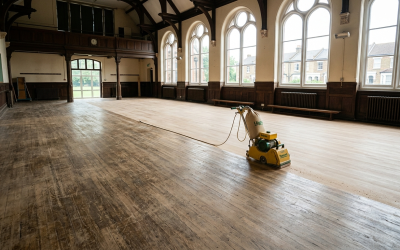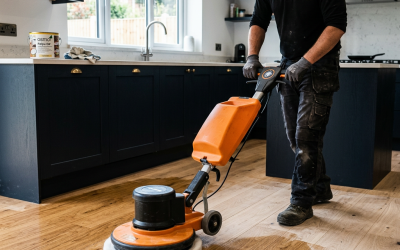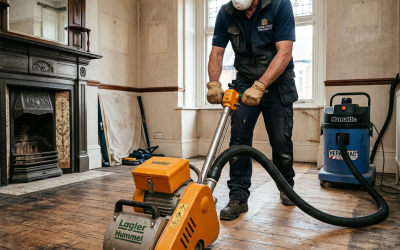
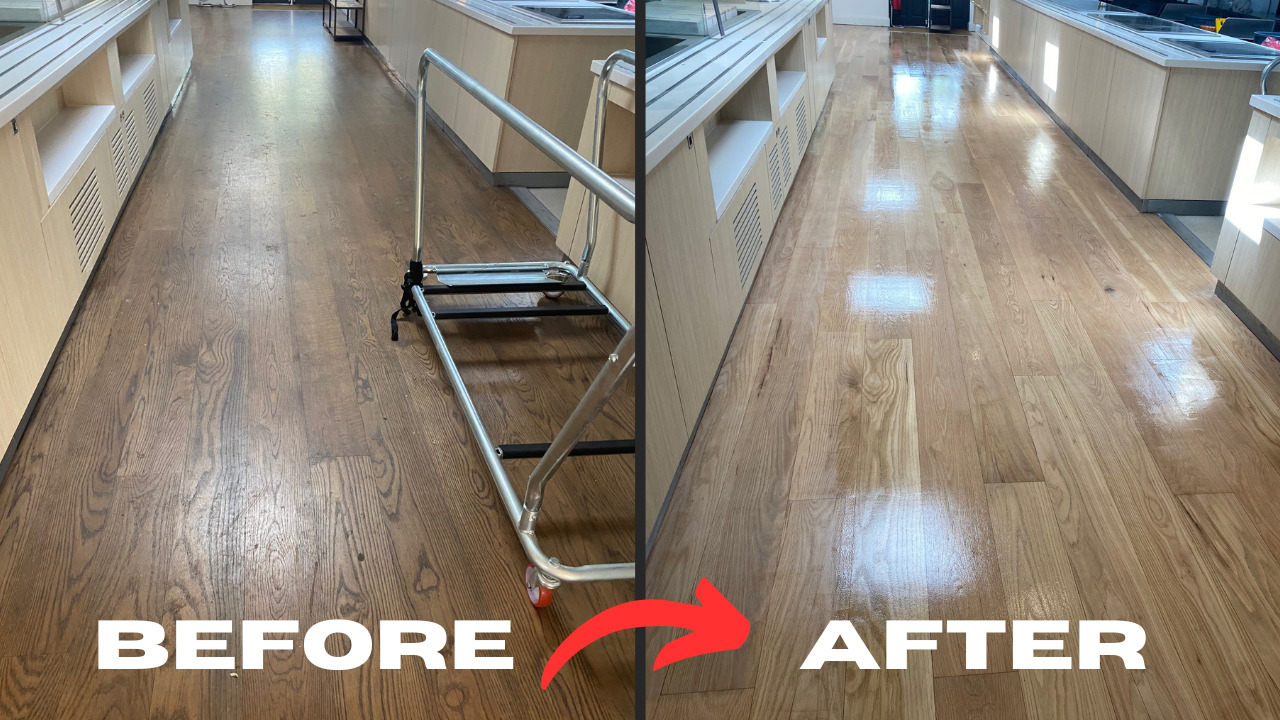
Commercial Floor Sanding in Tottenham for Busy Workspaces
When you run a busy workspace in Tottenham, your floor works as hard as your staff. From constant footfall and wheeled chairs to deliveries and spilled coffees, every day leaves its mark. Over time, even the best timber floors start to look dull, scratched and tired – and that can drag down the look of your entire premises.
Professional commercial floor sanding in Tottenham gives your workspace a fresh, professional finish without the cost and disruption of a full replacement. In this guide, we’ll walk through how the process works, why it’s ideal for high-traffic environments, and how to plan a project that keeps downtime to an absolute minimum.
Why Commercial Floor Sanding Matters in Tottenham
In a commercial setting, your floor is more than just a surface – it’s part of your brand. Clients, customers, parents, pupils and staff all form an impression the moment they step through the door.
Well-maintained timber floors:
- Make reception areas and showrooms look more professional
- Help restaurants, cafés and bars feel cleaner and more welcoming
- Support health and safety by reducing trip hazards and splintered areas
- Extend the lifespan of your existing flooring, saving money on replacement
Rather than ripping out old boards, quality wood floor sanding removes worn finishes, levels the surface and prepares it for a hard-wearing commercial coating. The result is a floor that looks almost new – at a fraction of the cost of new flooring and with far less disruption.
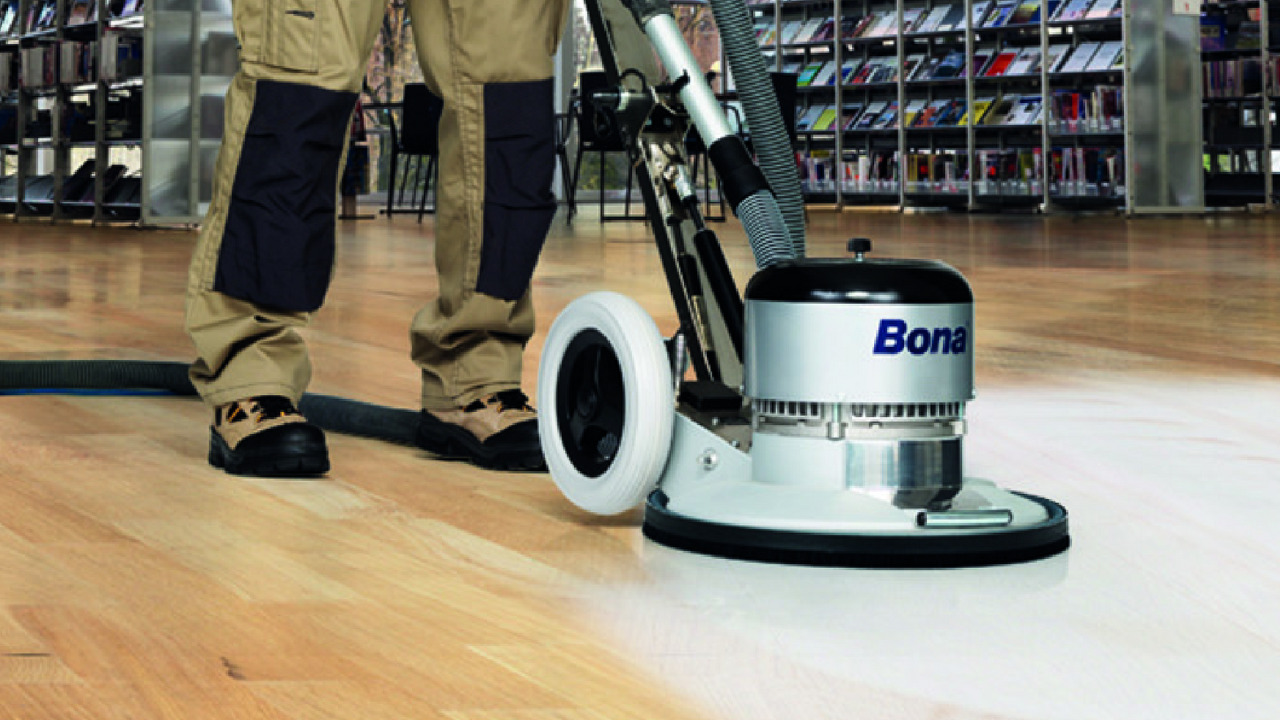
Which Workspaces Benefit Most from Floor Sanding?
Almost any commercial environment with timber flooring in Tottenham can benefit from a professional refresh. Typical spaces include:
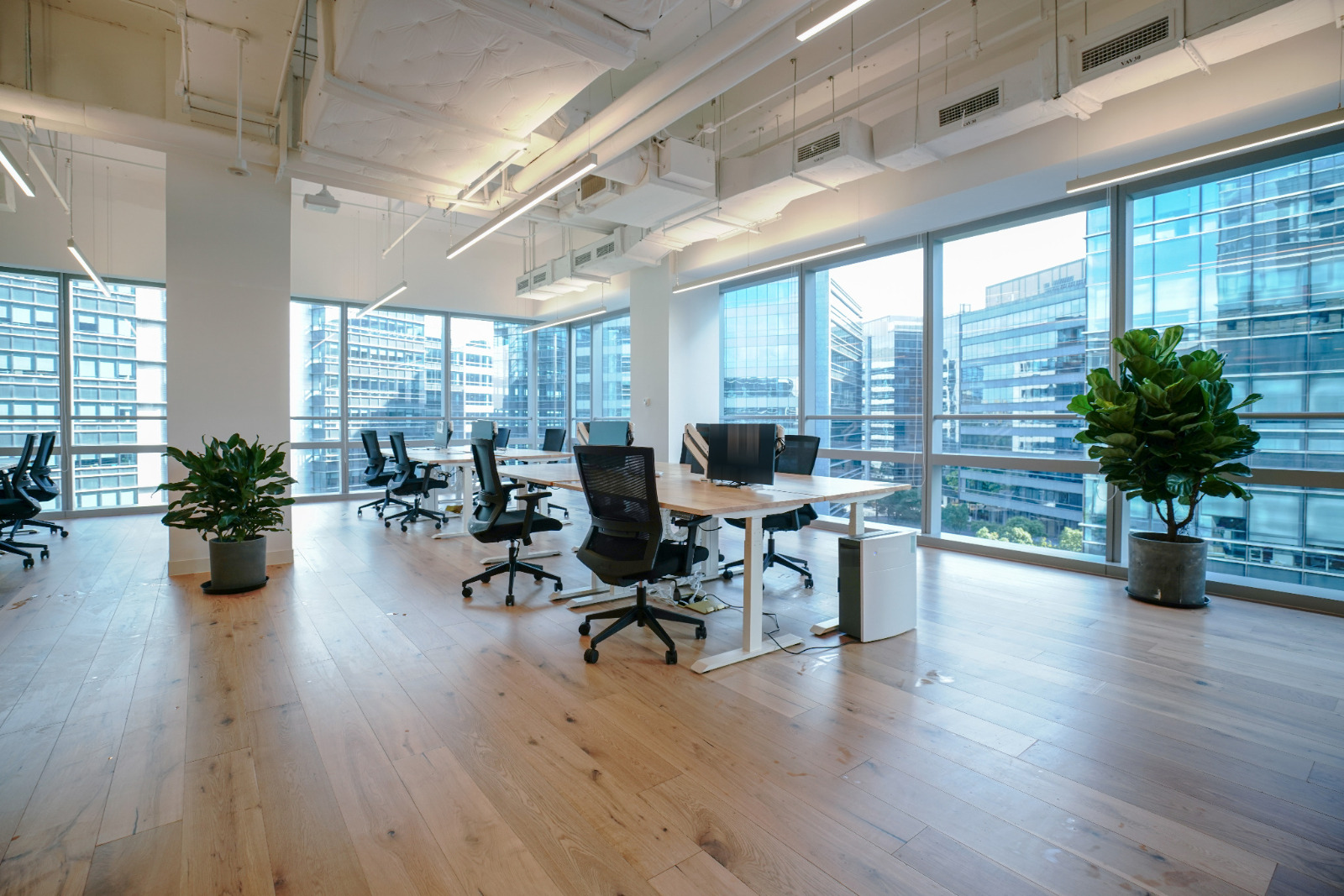
Offices and Co-working Spaces
Boardrooms, corridors and open-plan offices see relentless traffic. Chairs roll back and forth all day, and high heels and wheeled trolleys constantly stress the surface. Regular hardwood floor sanding keeps these areas smart and easy to clean.
Retail Stores and Showrooms
In shops, first impressions really do affect sales. A tired, patchy floor can make stock and displays look less appealing. Freshly refinished timber instantly lifts the whole space and makes lighting and merchandising work harder for you.
Schools, Nurseries and Educational Buildings
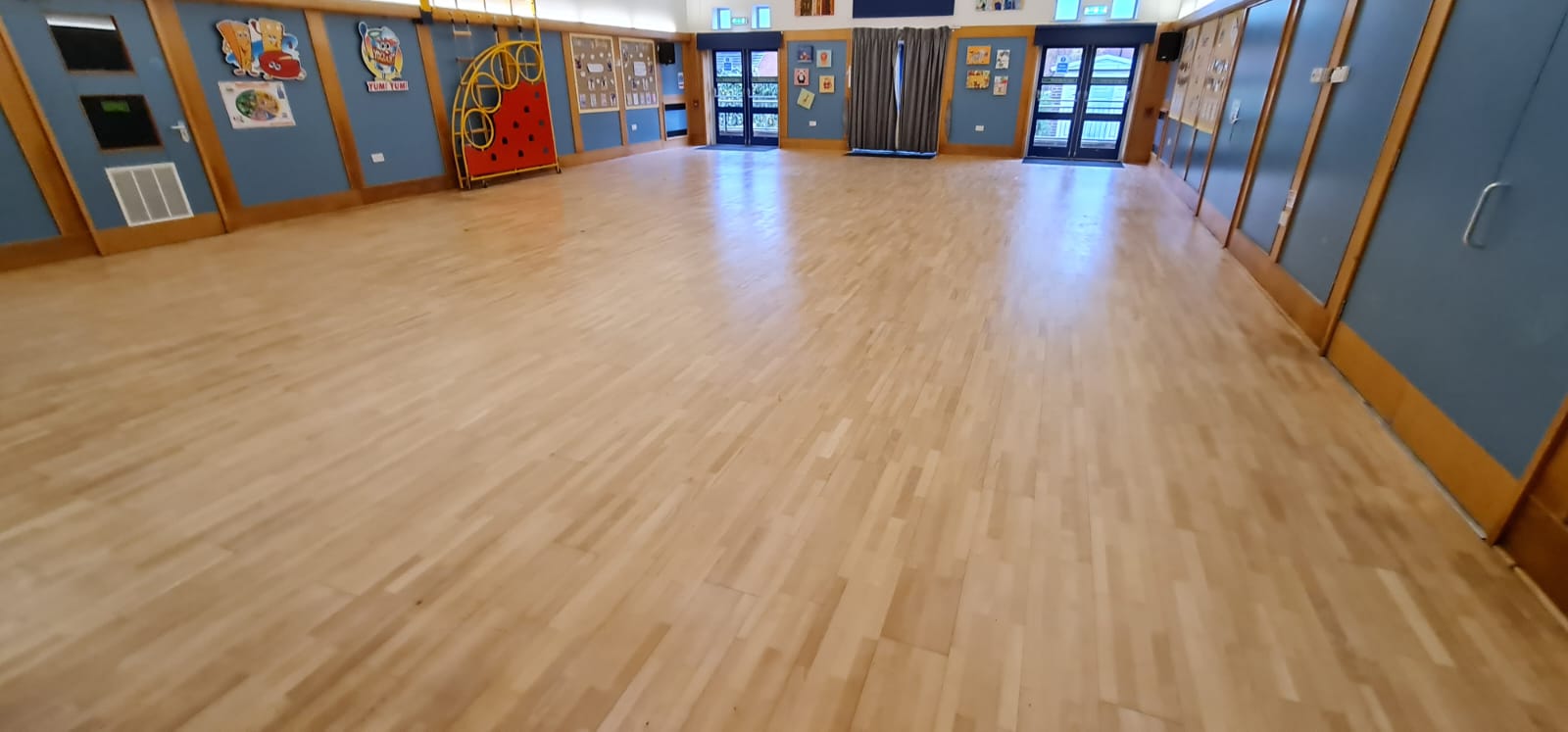
School halls, corridors and classrooms endure some of the heaviest wear of all. Professionally sanded and sealed floors combine durability, safety and easy maintenance – particularly when paired with tough, slip-resistant lacquer.
Hospitality Venues
Restaurants, cafés, pubs and bars have to deal with spills as well as footfall. A properly sealed surface from expert parquet floor restoration or straight-board sanding stands up to daily cleaning regimes and still looks good during evening service.
Gyms, Studios and Community Centres
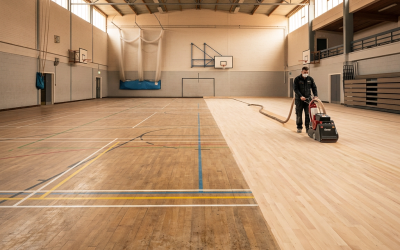
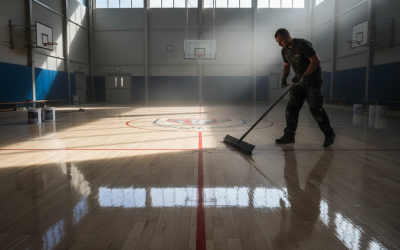
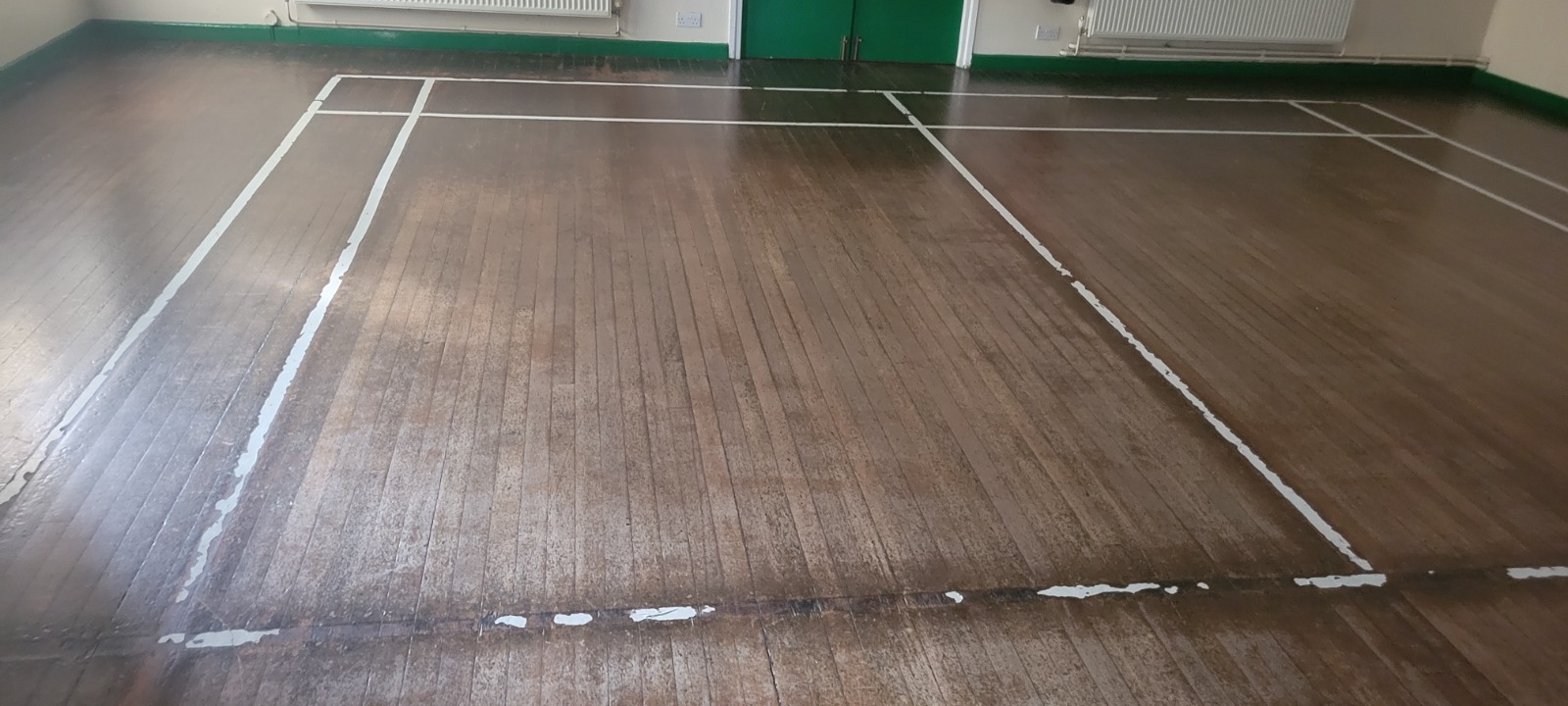
Sports halls and studios need smooth, safe surfaces that are comfortable underfoot and simple to maintain. Sanding levels raised edges and removes old, flaking finishes; modern sealants give grip without being sticky.
If your commercial space in N17 or the surrounding area has timber underfoot, a tailored programme of commercial floor sanding is one of the most cost-effective upgrades you can make.
Signs Your Commercial Floor Needs Sanding
Not sure if your floor has reached the point where sanding is necessary? Look out for:
- Grey, dull traffic lanes where the finish has worn away completely
- Deep scratches and gouges that no amount of mopping will hide
- Peeling, flaking or patchy lacquer
- Water marks and staining around entrances or serving areas
- Splintered boards or raised edges causing trip hazards
- Difficult daily cleaning, with dirt sitting in the grain instead of wiping away
Once you notice several of these issues at once, spot repairs will only go so far. A full, professional floor sanding and restoration will usually be the most efficient solution.
Our Commercial Floor Sanding Process in Tottenham
Every premises is different, but a typical commercial project follows a clear, well-planned sequence.
1. Site Survey and Consultation
A professional team will:
- Inspect the type and condition of your flooring (solid wood, engineered, parquet blocks, original floorboards, etc.)
- Check for loose boards, damaged areas and previous repairs
- Discuss how you use each space, when it is busiest and when it can be closed off
- Agree phasing so your business can continue operating wherever possible
This is also the ideal time to talk about finishes, colour options and any extra services such as gap filling and floorboard repairs.
2. Planning for Minimal Downtime
Commercial projects are usually scheduled:
- Out of hours – evenings, overnight or early mornings
- At weekends or during school holidays
- In phases, so sections of your building remain open while others are being treated
A good contractor will work around your timetable, not the other way round.
3. Preparation and Protection
Before the sanding machines come out, the team will:
- Remove or carefully move and protect furniture and fixtures
- Mask skirting boards, built-in units and thresholds
- Check and secure any loose boards or fixings
- Agree clear access routes and exclusion zones with your team
This preparation stage is crucial to ensure a smooth finish and a clean, safe workspace.
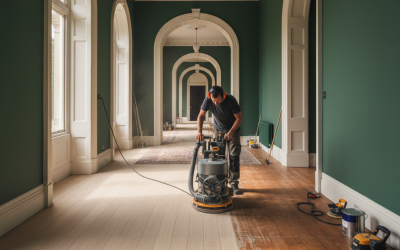
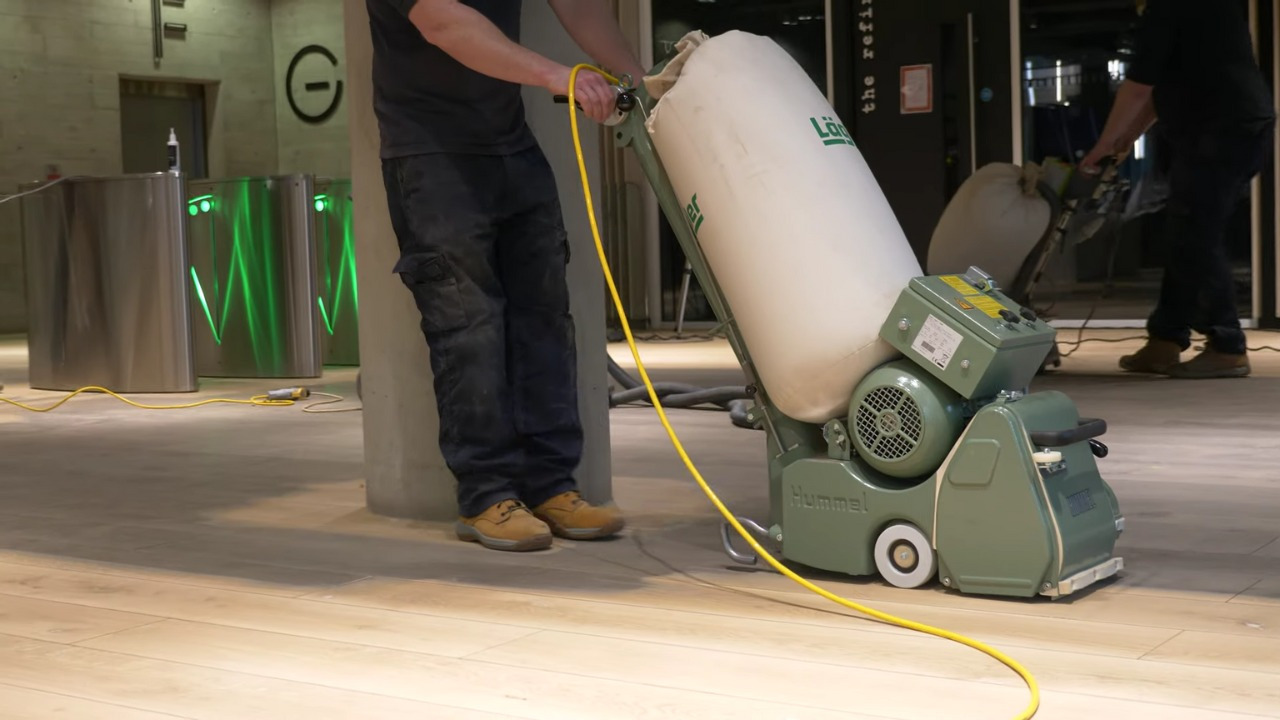
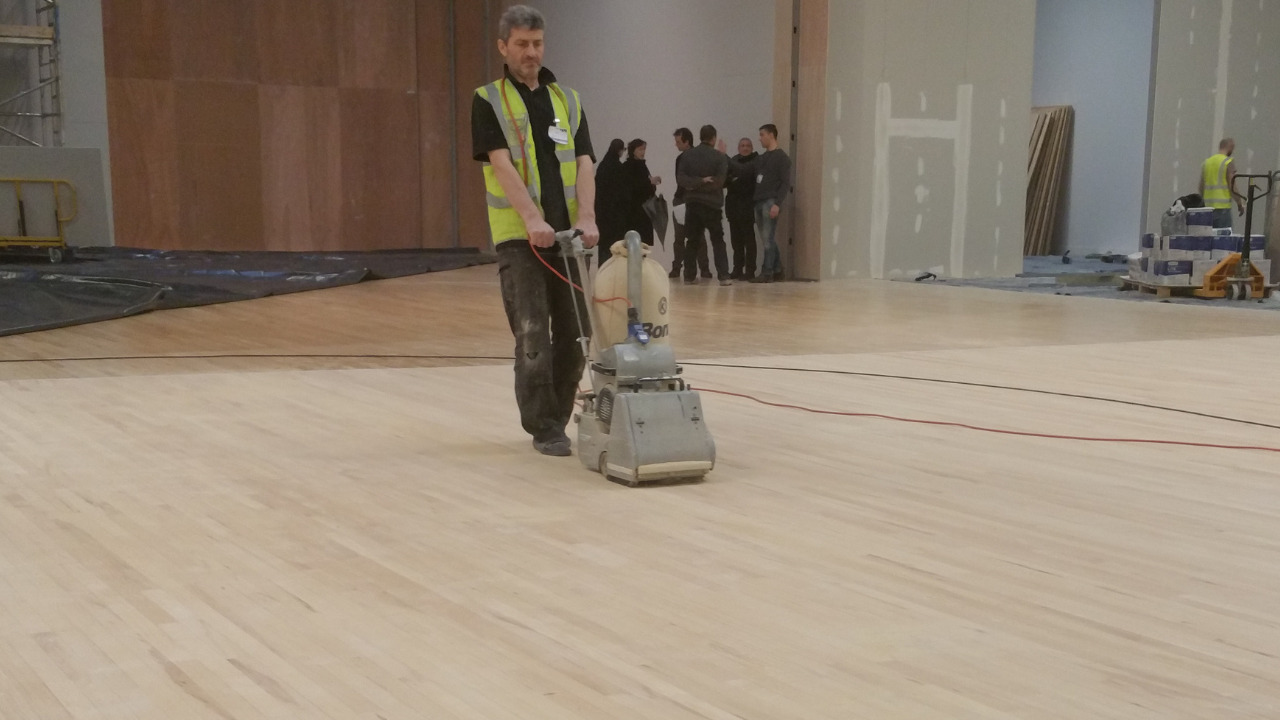
4. Professional Sanding – Coarse to Fine
The sanding process itself usually involves several passes:
- Coarse sanding to strip away old finishes and level uneven boards
- Medium sanding to refine the surface and remove remaining marks
- Fine sanding to smooth the timber ready for finishing
- Edge and corner work to bring the whole floor to an even standard
Modern, dust-controlled machinery used by commercial floor sanding specialists removes imperfections efficiently without leaving ripples or chatter marks.
5. Repairs, Gap Filling and Detailing
Many commercial floors need extra attention, such as:
- Replacing broken or missing floorboards
- Securing loose parquet blocks
- Filling gaps to reduce draughts and prevent dirt traps
- Tidying thresholds and transitions between different floor coverings
This detailing makes a huge difference to the final appearance and performance.
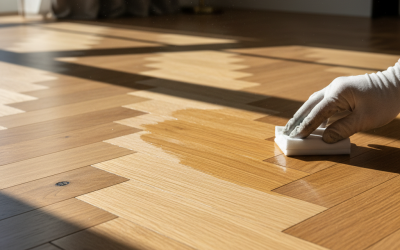
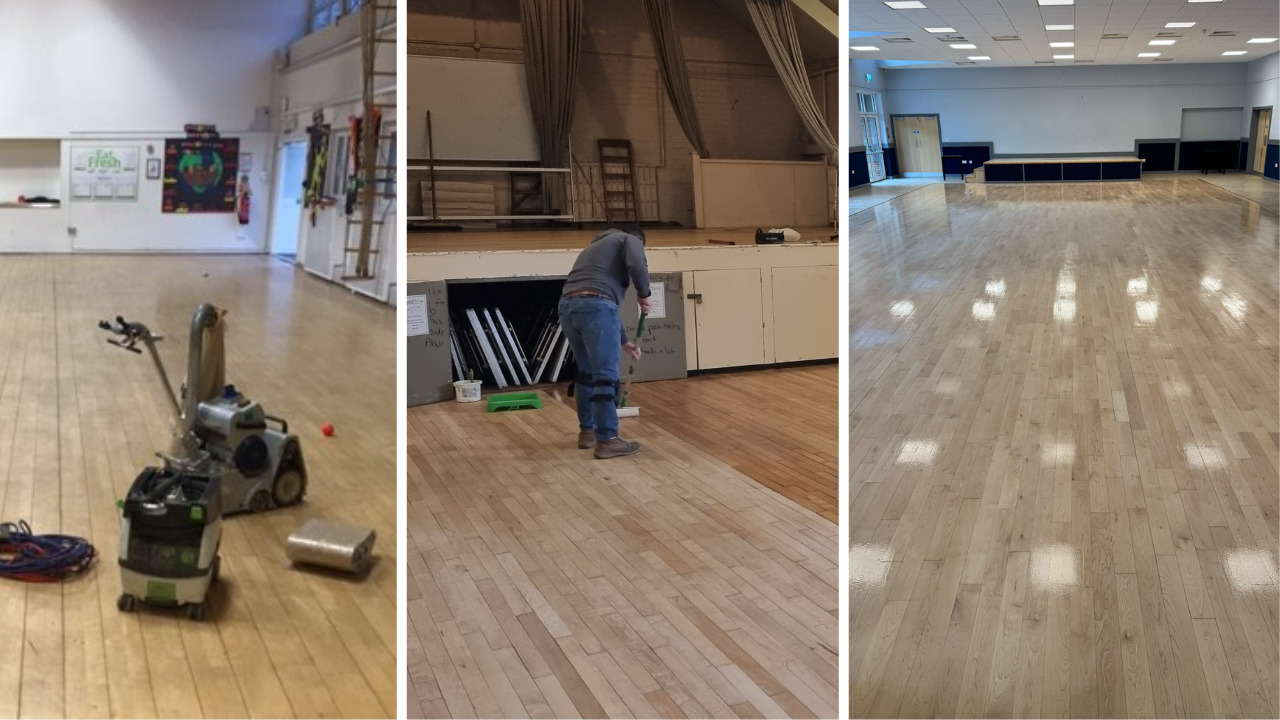
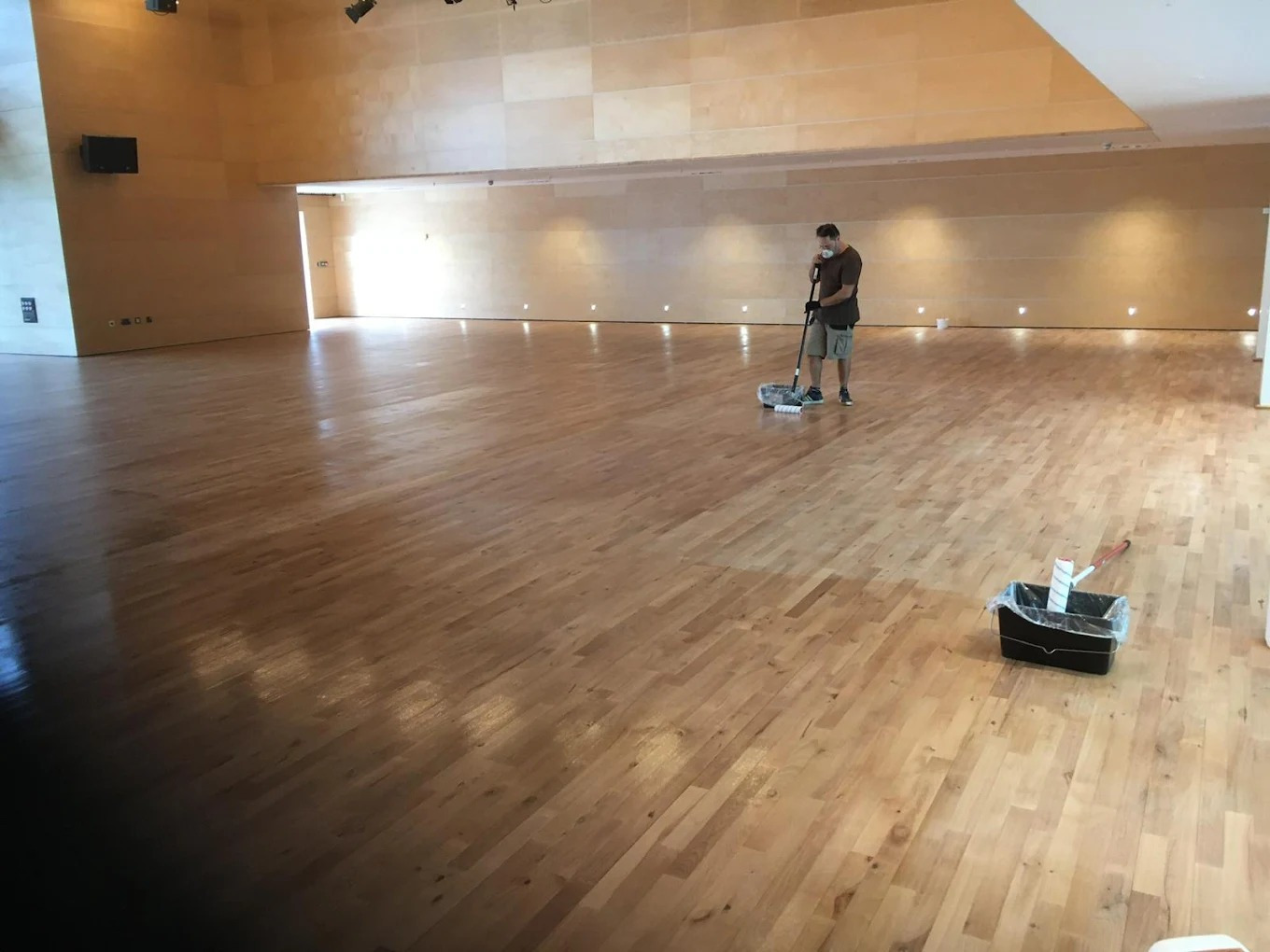
6. Applying a Tough Commercial Finish
Once the sanding is complete and the floor has been thoroughly vacuumed, the chosen finish is applied. For commercial environments, that often means:
- Heavy-duty polyurethane lacquer for maximum durability
- Matt or satin finishes that hide minor scuffs and look contemporary
- Specialist sports or hall coatings for multi-use community spaces
Multiple thin coats are applied, with light de-nibbing in between, to build a strong, even protective layer.
Choosing the Right Finish for Busy Workspaces
Different commercial settings in Tottenham have different requirements, so the finish always needs to be selected with daily use in mind.
Lacquered Finishes
Ideal for:
- Offices and corridors
- School halls and classrooms
- Retail spaces with wheeled trolleys
Benefits:
- Very tough and hard-wearing
- Easy to clean with standard commercial cleaning products
- Available in matt, satin or gloss to suit your interior style
Oiled and Hard-Wax Oiled Finishes
Useful for:
- Boutique shops, salons and cafés where a natural look is important
- Smaller studios and creative spaces
Benefits:
- Rich, natural appearance that highlights the grain
- Local repairs are easier – small areas can often be blended without re-doing the whole floor
For most high-traffic environments, however, a well-specified commercial lacquer applied by an experienced hardwood floor refinishing team will give the best balance of durability and ease of maintenance.
Dust Control, Safety and Cleanliness
Older sanding methods were notoriously dusty. Modern professional systems are very different.
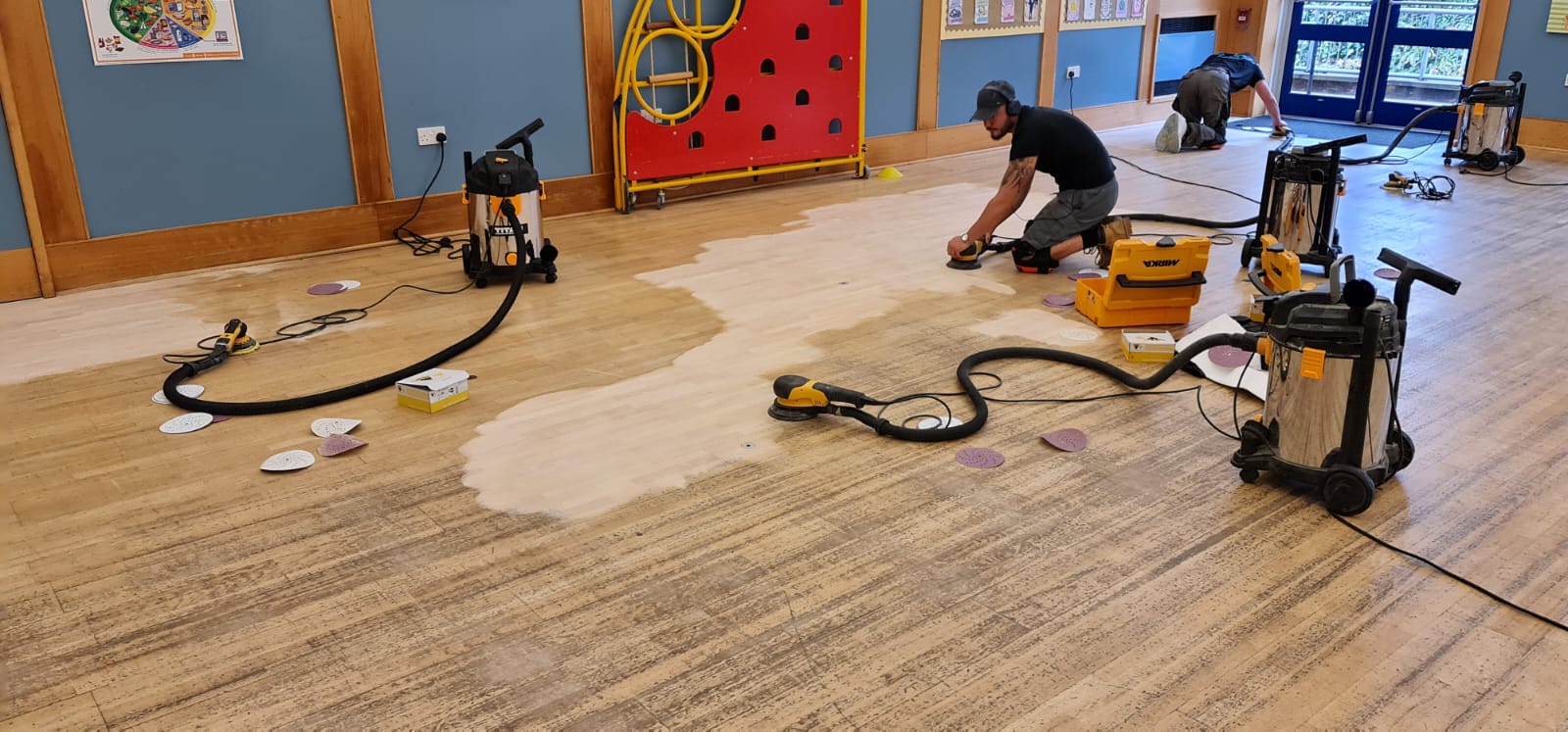
Today’s commercial sanding uses:
- Powerful on-board extraction on every machine
- Sealed hoses and HEPA filtration to capture even fine particles
- Careful masking and protection of adjacent areas
That means:
- Less disruption to staff and customers
- No lingering dust over stock, IT equipment or fittings
- A safer environment for people with allergies or asthma
A reputable commercial floor sanding company will build health and safety into every stage of the project, including risk assessments, method statements and clear signage.
Keeping Your Business Running During the Project
One of the biggest concerns for any business is downtime. With the right planning, floor sanding doesn’t have to bring operations to a standstill.
Some practical strategies:
- Phase the work – for example, corridors and meeting rooms first, open-plan areas later
- Schedule out of hours – evenings or weekends when staff numbers are lower
- Create temporary routes using alternative entrances and stairwells
- Communicate clearly with staff, customers and visitors about which areas are out of use and for how long
Because professional coatings dry faster than older products, many spaces can be put back into light use the next day, with full curing following over the next few days as advised.
Long-Term Value and Cost Savings
It’s easy to see commercial floor sanding in Tottenham as a cost, but it’s better viewed as an investment.
You can expect:
- Extended floor lifespan – quality timber can be sanded and refinished multiple times
- Reduced replacement costs – avoiding ripping out and disposing of existing flooring
- Less frequent maintenance – a properly sealed surface stands up to daily cleaning
- Improved image – smart, clean floors help attract and retain clients and staff
For larger premises, a planned maintenance schedule – combining periodic wood floor sanding with interim buffing and re-coating – gives predictable costs and consistently smart presentation.
Why Choose a Local Tottenham Commercial Floor Sanding Specialist?
Working with a team that regularly handles commercial projects in Tottenham brings real advantages:
- Familiarity with local building types, from Victorian schools to modern offices
- Experience in phasing work around busy diaries, term dates and trading hours
- Established systems for coordinating with facilities managers, caretakers and managing agents
- Easy access for site visits, follow-up care and future floor restoration needs
A specialist commercial service has the manpower, machinery and planning experience to deliver large-scale projects on time and on budget.
How to Prepare Your Workspace
You can help things run smoothly by:
- Clearing desks, stock and loose items from the treatment areas
- Agreeing where larger pieces can be temporarily stored
- Informing staff and visitors of the schedule in advance
- Arranging for any IT or alarms to be isolated if required
- Confirming access arrangements and security procedures for out-of-hours work
Your sanding contractor will guide you through this, but being organised upfront always pays off.
Looking After Your Newly Sanded Commercial Floors
Once your floors have been transformed, a simple routine will keep them looking good for years:
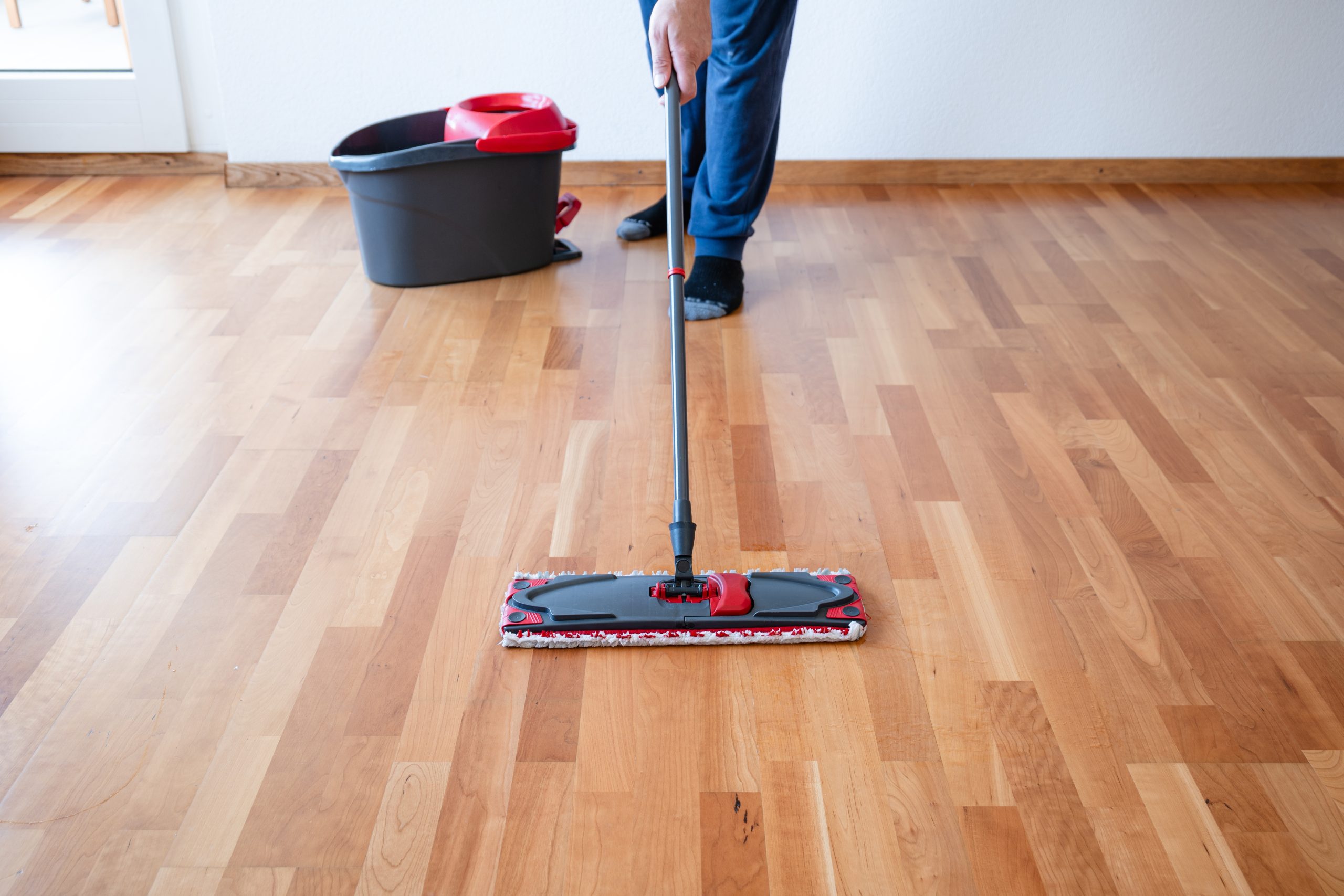
- Daily cleaning with a vacuum or microfibre mop to remove grit
- Prompt wipe-up of spills, especially near entrances and catering areas
- Entrance matting at all external doors to catch dirt and moisture
- Felt pads under moveable furniture and display units
- Periodic buff and re-coat before the finish wears right through in traffic lanes
Your sanding team can advise on suitable cleaning products and set out a bespoke maintenance plan for your premises.
Ready to Refresh Your Workspace Floors?
If your office, school, shop or venue is starting to look a little tired underfoot, professional commercial floor sanding in Tottenham is a fast, effective way to restore a clean, professional image – without replacing your floors.
- Use the Get a Quote form to arrange a free, no-obligation assessment.
- Browse the Gallery for inspiration from recent projects.
- Explore the Blog for more tips on wood floor sanding and maintenance.
With careful planning, flexible scheduling and the right specialist team, your busy workspace can enjoy beautifully restored timber floors – with minimal interruption and maximum impact.