Church, Community Hall & Club Floor Sanding in Tottenham
Churches, community halls and social clubs throughout Tottenham N17 experience constant foot traffic from worshippers, community groups, charity events, youth organisations and local celebrations. Over time, timber flooring becomes scratched, worn, uneven and difficult to maintain. Whether your building is close to Tottenham High Road, Bruce Grove, Tottenham Green, Seven Sisters or one of the area’s historic churches and community venues, restoring the original timber floor improves both appearance and safety.
Our experienced team provides professional Church floor sanding in Tottenham using modern dust-controlled equipment and commercial-grade finishing systems designed for busy public buildings. Alongside our wider commercial floor restoration services, we carefully assess every floor before recommending the most suitable repair and finishing programme. Our specialists understand the challenges of heritage buildings, heavily used halls and multipurpose community spaces, ensuring every project receives practical, long-lasting solutions. Helpful advice and flooring guidance can also be found on our blog. Call 0800 335 7565 for expert advice and a free quotation.
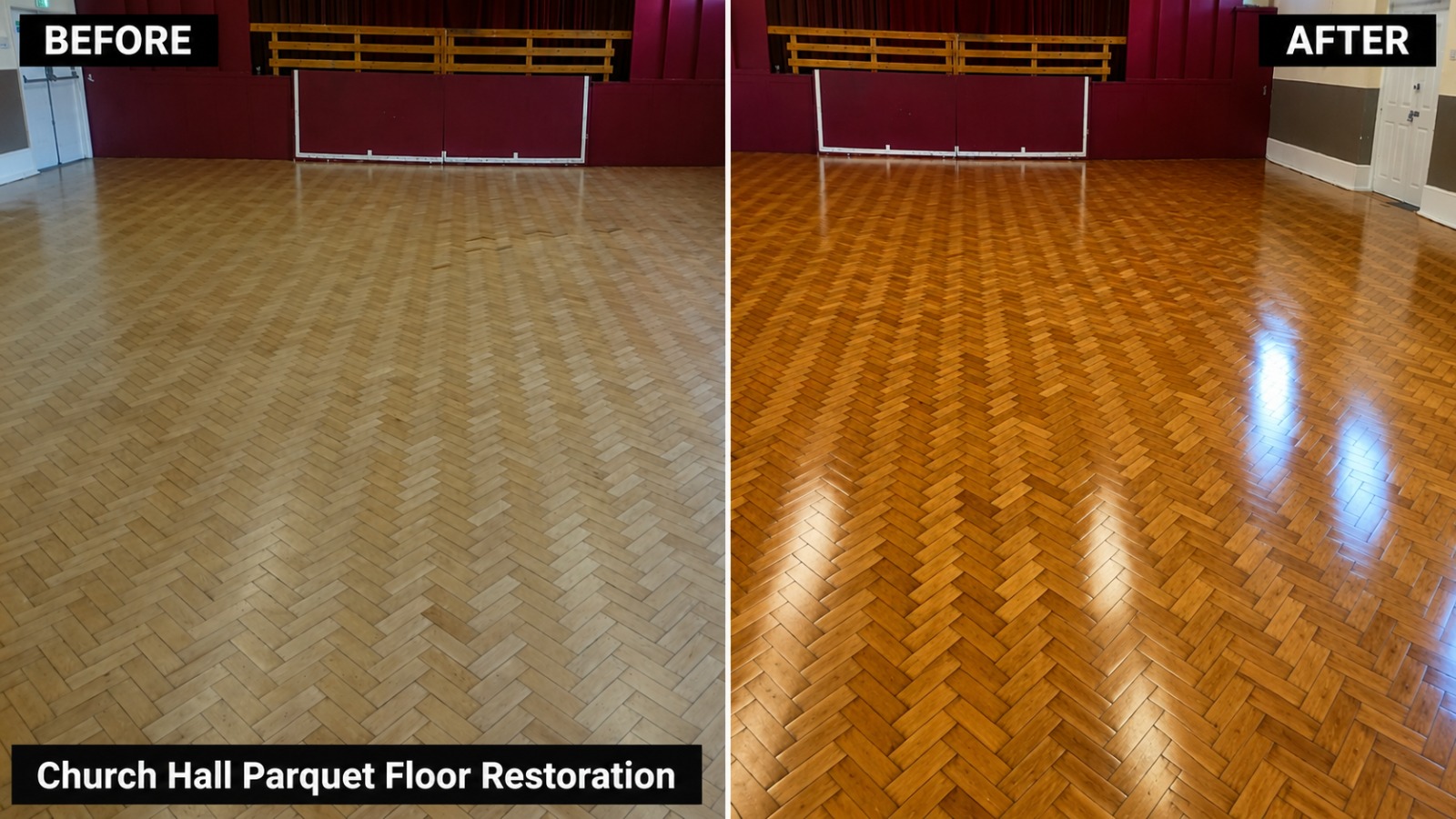
Professional Restoration for Churches, Community Halls and Clubs
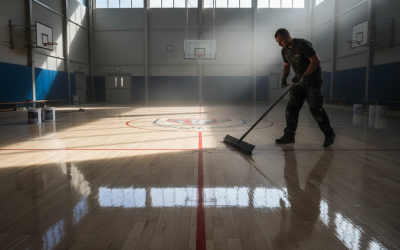
Unlike domestic flooring, church halls and community venues must withstand thousands of visitors every year. Furniture is frequently moved, tables and chairs create abrasion, outdoor footwear brings grit indoors, while regular cleaning gradually wears protective finishes.
Our restoration process is designed specifically for commercial timber floors, helping extend the life of valuable wooden flooring while reducing long-term maintenance costs. Every recommendation is based on the condition of the timber, the building’s daily use and future maintenance requirements rather than a one-size-fits-all approach.
Our Restoration Process
1. Initial Assessment and Planning
Every project begins with a detailed inspection of the existing floor. We assess timber species, moisture levels, structural movement, previous coatings, damaged boards, loose parquet blocks, old repairs and areas suffering from excessive wear.
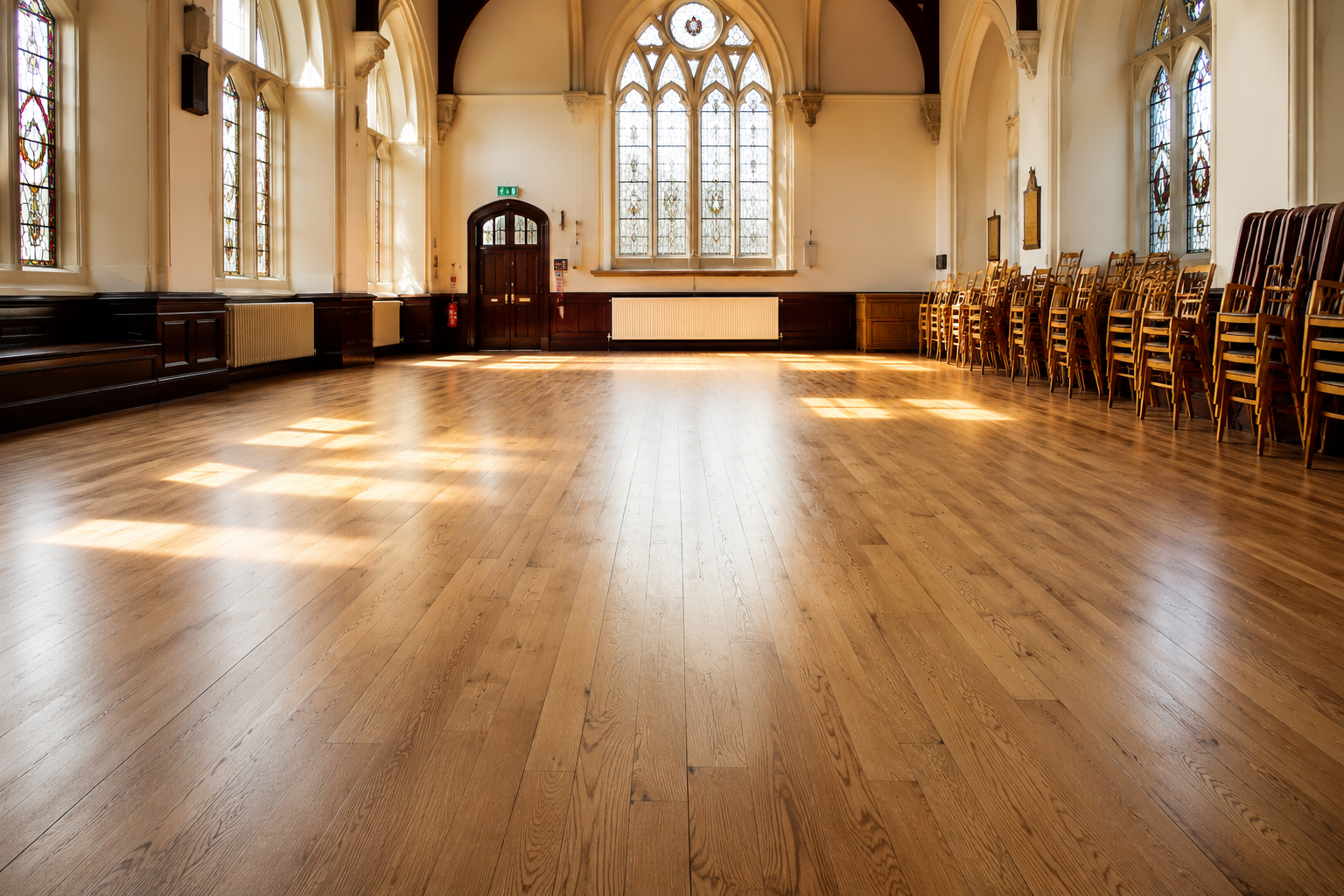
Many churches around Tottenham contain original hardwood or pine flooring that requires careful restoration rather than replacement. We also discuss how the building is used throughout the year so the restoration programme fits around services, community events, school activities or public bookings.
2. Repairs, Board Replacement and Gap Filling
Before sanding begins, damaged areas are repaired properly. This may include replacing broken floorboards, securing loose parquet blocks, repairing movement, strengthening subfloors where required and filling gaps that collect dirt and moisture.
We always aim to retain as much original timber as possible, particularly within heritage buildings where preserving historic character is important.
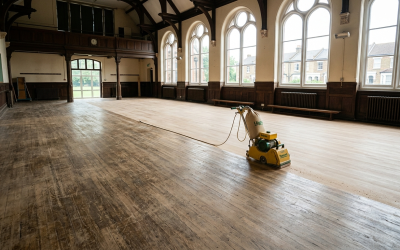
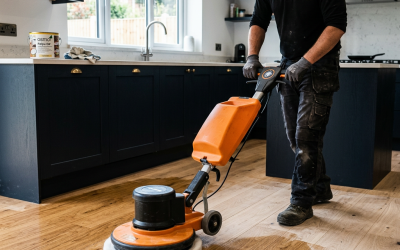
3. Sanding and Surface Preparation
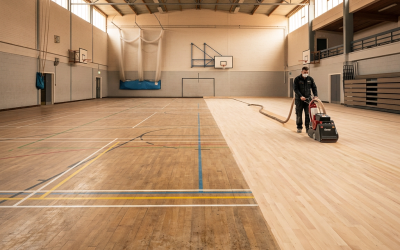
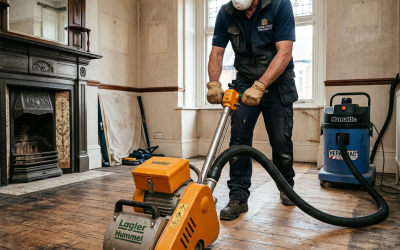
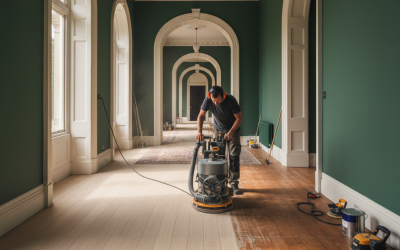
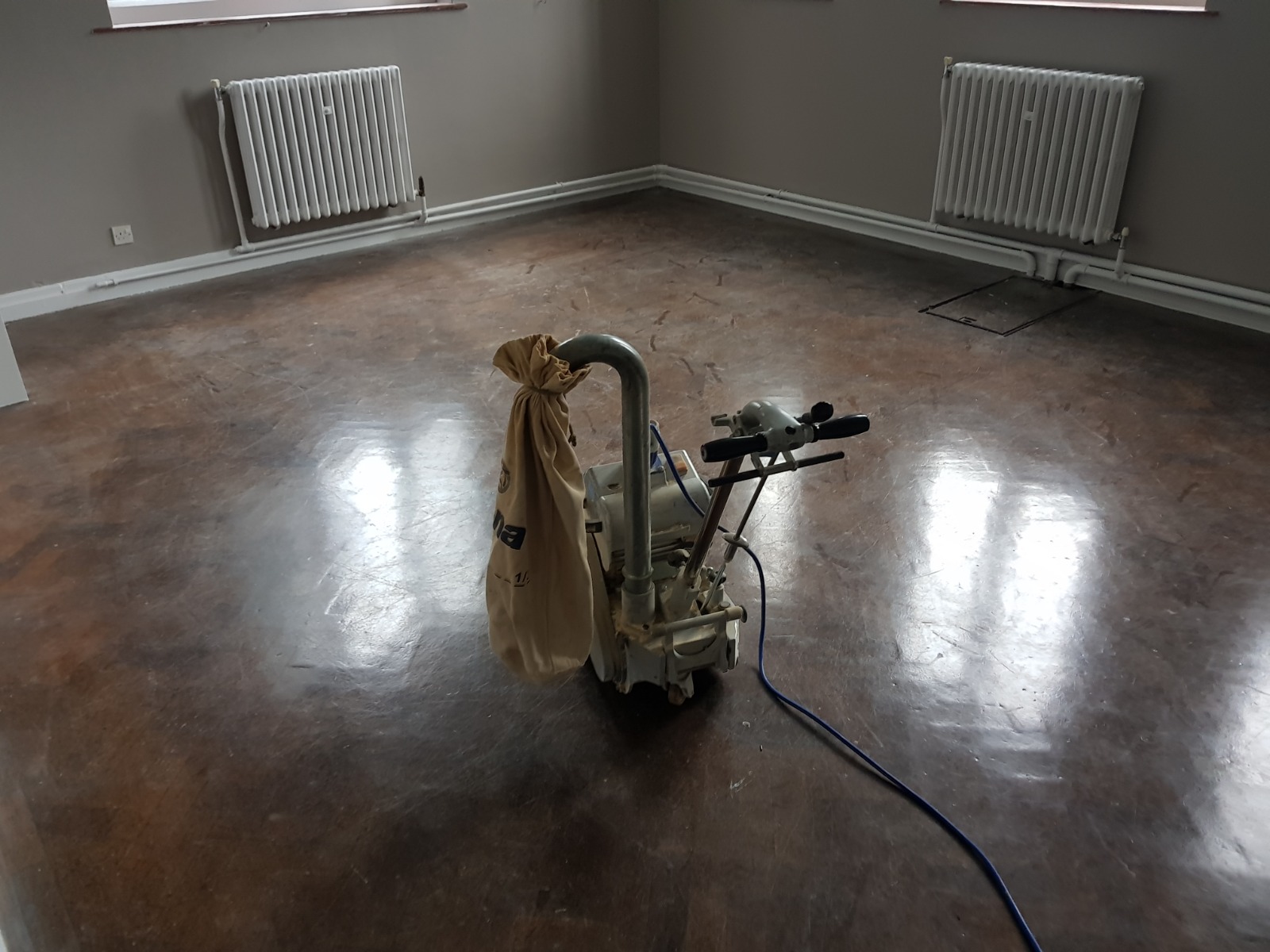
Professional sanding removes old varnish, worn finishes, paint contamination, surface scratches and staining while producing an even surface ready for refinishing.
Our dust-controlled sanding systems significantly reduce airborne dust, making the process cleaner for occupied commercial buildings and helping minimise disruption to neighbouring areas.
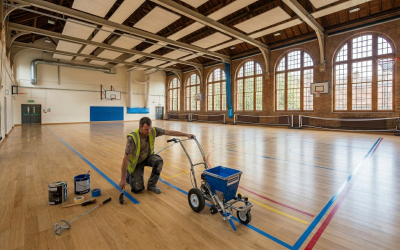
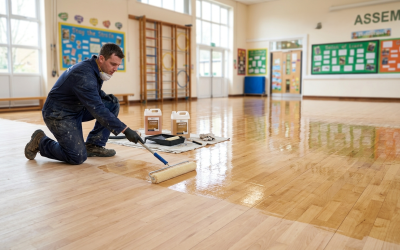
4. Professional Finishing Options
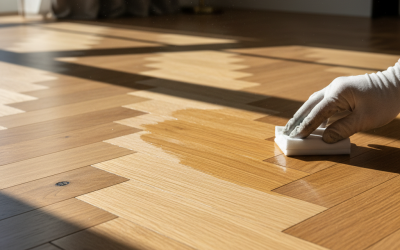
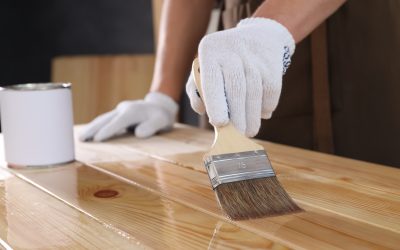
After preparation, we apply the most appropriate finish depending on how the building is used.
- Commercial lacquer systems
- Natural hardwax oil finishes
- Traditional penetrating oils
- High-performance 2K commercial coatings
- Low-sheen heritage finishes
- Slip-resistant systems where appropriate
We regularly specify products from Bona, Loba, Osmo and Junckers, selecting each finish according to expected footfall, maintenance requirements and appearance.
5. Aftercare and Maintenance Planning
The best restoration projects continue long after the final coat has dried. We provide practical maintenance advice covering cleaning routines, entrance matting, furniture protection, recoating schedules and long-term care to maximise the life of your investment.
Commercial Experience You Can Trust
With more than 25 years of practical wood floor restoration experience, we have worked on a wide variety of commercial and heritage timber floors across London. Every project benefits from careful planning, experienced workmanship and products designed for demanding public environments.
- Dust-controlled sanding technology
- Commercial and heritage floor expertise
- Flexible evening and holiday scheduling
- Safe working practices
- High-performance commercial finishes
- Detailed floor inspections
- Practical maintenance advice
- Clear quotations with no unnecessary work
Working Around Your Schedule
We understand that churches, clubs and community halls cannot simply close for extended periods. Many buildings host multiple events every week, making careful planning essential.
Where possible, we arrange work around worship services, weddings, community programmes, school holidays, evening bookings and seasonal events. This flexible approach helps minimise disruption while allowing restoration to progress efficiently.
Clear Quotations Without Guesswork
Every floor is different, so we provide quotations based on its actual condition rather than estimates alone. In many cases we can prepare an initial budget using photographs, videos and room measurements. Larger or more complex projects may require a site visit to assess repairs, moisture levels and access arrangements before providing a detailed written quotation.
If you’re comparing contractors, choosing an experienced Church floor sanding contractor in Tottenham ensures the correct machinery, finishes and repair methods are specified from the outset, reducing the risk of costly problems later.
Why Restore Rather Than Replace?
Many original timber floors still contain decades of useful life beneath worn finishes. Professional restoration removes damaged surface layers while preserving the character, craftsmanship and appearance of the original floor.
Choosing professional Church floor restoration in Tottenham is often considerably more economical than complete replacement while maintaining the building’s original architectural features.
Frequently Asked Questions
How long does church floor sanding usually take in Tottenham?
The duration depends on the size and condition of the floor. Most church halls and community spaces can be completed within two to five days, including sanding, repairs, finishing, and drying time. We always schedule work to minimise disruption to services and community activities.
Can you restore original timber floors in older churches?
Yes. We regularly restore original pine, oak, parquet, and hardwood floors found in historic churches and heritage buildings. Wherever possible, we preserve the original timber while repairing damaged sections and applying durable protective finishes.
Is the sanding process dust-free?
We use modern dust-controlled sanding equipment that captures the vast majority of sanding dust during the restoration process. While no sanding can be completely dust-free, our advanced extraction systems keep dust to an absolute minimum.
What finishes are best for busy church halls and community centres?
For high-traffic public spaces, we typically recommend commercial-grade lacquers, hardwax oils, or two-component (2K) finishes. The most suitable option depends on the building’s usage, maintenance requirements, and desired appearance.
Can damaged floorboards or loose parquet blocks be repaired?
Yes. Before sanding begins, we repair loose parquet, replace damaged boards where necessary, secure movement, and carry out gap filling to ensure the floor is structurally sound before refinishing.
Do you work around church services and community events?
Absolutely. We understand that churches and community halls often have busy schedules. We can arrange work during quieter periods, evenings, school holidays, or between booked events whenever possible.
How do you provide a quotation for church floor restoration?
We can often provide an initial estimate using photographs, videos, room measurements, and a description of the floor’s condition. Larger or more complex projects may require a site visit to prepare a detailed quotation.
How often should a church or community hall floor be restored?
This depends on foot traffic and maintenance. Many busy venues benefit from professional maintenance every few years, while a full sanding and refinishing is typically required every 10–20 years, depending on wear and previous treatments.
Will sanding remove deep stains and scratches?
Professional sanding removes most surface scratches, scuff marks, old finishes, and many stains. Very deep damage or staining that has penetrated deeply into the timber may require localised repairs or board replacement for the best result.
Why should we hire a professional church floor sanding contractor instead of attempting DIY restoration?
Commercial church floors require specialist machinery, repair techniques, and high-performance finishes that are difficult to achieve with hired equipment. A professional contractor ensures the floor is restored safely, evenly, and with a finish designed to withstand years of heavy public use.
Request Your Free Quote Today
If your church, village hall, community centre or social club floor is showing signs of wear, now is the ideal time to arrange a professional assessment.
Call 0800 335 7565 today or visit https://tottenhamfloorsanding.co.uk/ to request a fast quotation. You can also send photographs, videos and approximate room measurements by WhatsApp or email, allowing us to provide an initial assessment before arranging a convenient site visit where required.